The visit ends, the conversation doesn't
The question people hold onto the whole visit and only ask with a hand on the doorknob. This letter came out of what's left over.

There's a moment in a visit that I've learned to wait for. The person is already on their feet, hand on the doorknob, and out comes the question they held onto the whole time, said quietly, the way you'd ask permission. Sometimes it's about the medication, sometimes it's about school, and often it's about the exhaustion of the person doing the caring. No schedule holds all of that. This letter came out of what's left over.
I write from here, from the consulting room
I'm a family and community physician, qualified in 2017, and since medical school I've given my training and my practice to mental health. I did my medical degree and a master's in Psychology at the Federal University of Uberlândia, my residency in Family and Community Medicine at Fundação Pio XII, and I was a visiting researcher at the Yale Program for Recovery and Community Health. I see neurodivergent families, people living with severe mental illness, caregivers and mothers, in person in Uberlândia and by video. Nothing you read here comes from outside that experience.
The letters arrive on Thursdays, one week on and the next one off
Each one starts from a real scene in the consulting room, with the details changed to protect whoever lived it, goes through what good research already knows about that subject, and ends in something small you could do this week. I write about mental health, neurodivergence and family life, without jargon and without promising a cure. There won't be a list of ten steps either, because no family fits in a list.
This doesn't replace an appointment
This is an informational space. I don't diagnose by email, I don't adjust medication remotely, and I don't handle emergencies here.
If you're in Brazil and someone is in immediate danger, call 192 for SAMU, the emergency medical service. If the pain is emotional and it's pressing right now, call 188, the Centro de Valorização da Vida, which answers free of charge, at any hour, every day of the year. If you're somewhere else, look up your local emergency number and your nearest crisis line, and keep both where you can find them.
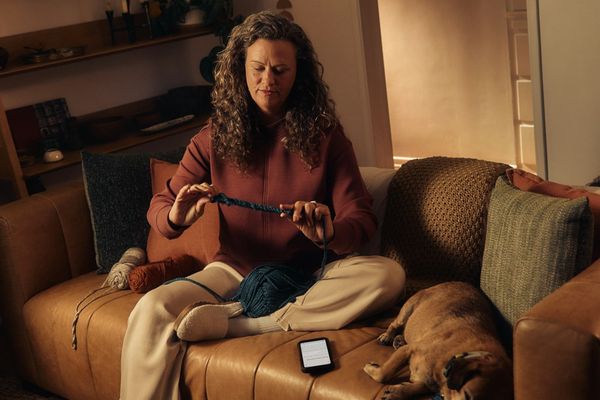
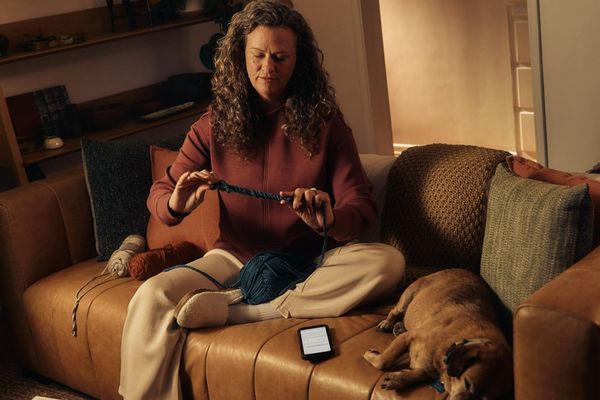
I chose the word thread because it's what's left when the visit ends
A thread is thin, it fits in one person's hand, and it's still what stitches the fabric of a family together over time. I've learned, in the consulting room and outside it, that nobody falls ill alone and nobody recovers alone, and what holds people up in the middle of all that is a bond that didn't break.
Subscribing is free, and the link to leave sits at the end of every letter, one click away. I'm glad you're here. Until the first one.
Marcelo